
What this is: real examples of aged care providers using virtual care well, and the outcomes they've seen.
Who it's for: executives, clinical leads, and anyone building the case internally.
The best argument for virtual care is what it does in practice. These are real Visionflex deployments in Australian aged care. The pattern across all of them: virtual care embedded into everyday clinical work, not run as a side project.
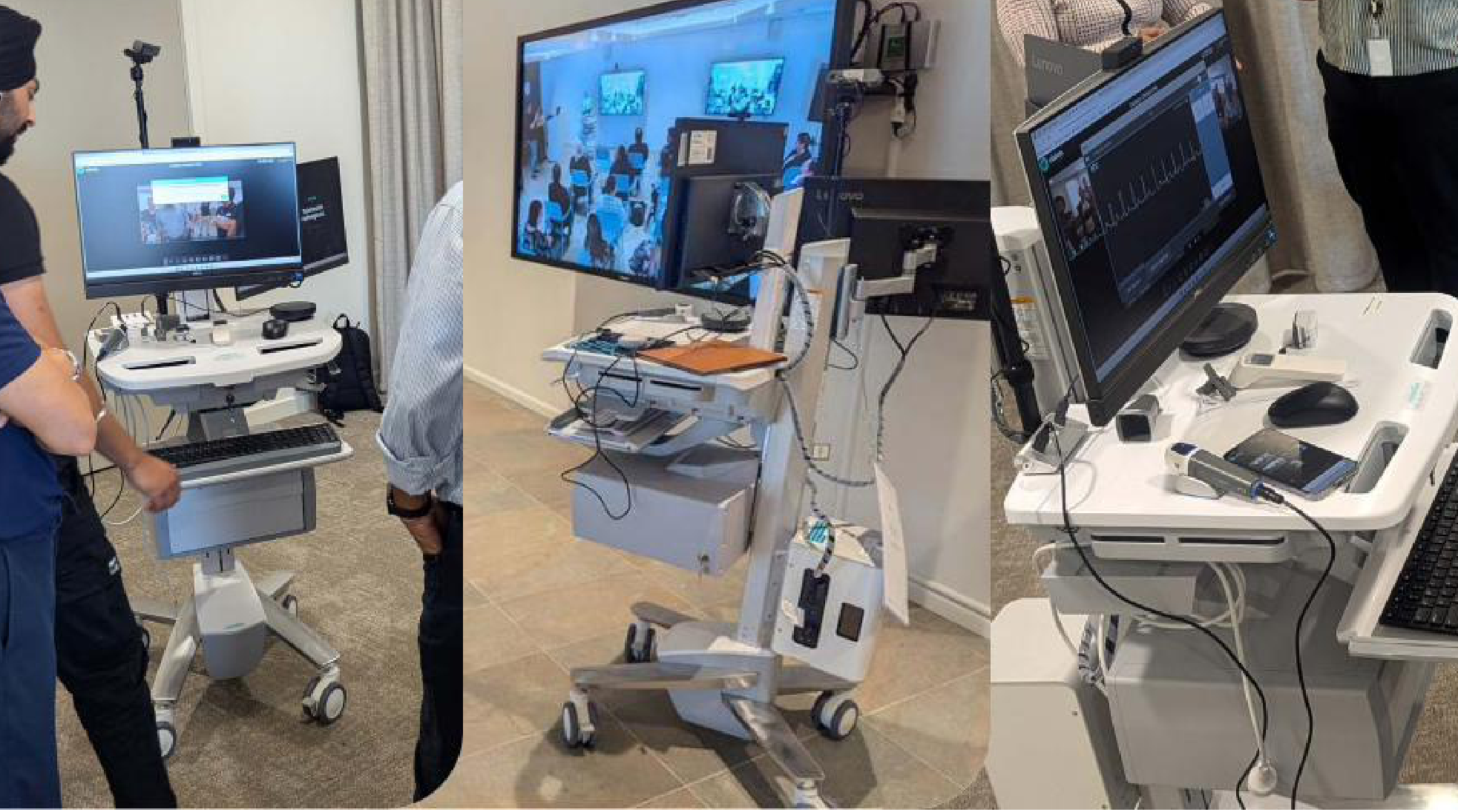
RFBI: scaling virtual care across a network
Royal Freemasons' Benevolent Institution (RFBI) adopted virtual care to improve equitable access for residents, especially where local GP availability was limited. At Glen Innes, a GP shortage had become a real operational constraint. RFBI introduced virtual care supported by facility staff and integrated clinical workflows, and it scaled: by 2023, Visionflex carts were deployed across 19 RFBI facilities.
Their nurse practitioner put it plainly: the cart is more than a video tool, its diagnostic capability takes the consultation to the next level.
What the network recorded:
- 750 to 1,000 virtual care sessions
- 100+ virtual emergency escalations
- 60 to 80 hospital transfers avoided
- 30+ palliative care consults and family-involved case conferences
- 80 to 100 allied health virtual reviews
- 40 to 60 trained, active nurses
Juniper (Sarah Hardey): virtual care as everyday practice
At Juniper's Sarah Hardey facility in Western Australia, virtual care became part of daily practice, from GP rounds to acute support and family-inclusive care. Staff used the cart daily for wound monitoring, medication reviews and virtual GP rounds. During an outbreak, it enabled real-time virtual emergency assessments, avoiding a hospital admission for a catheter-related issue.
The breadth of use is the strength of this case. The cart supported regular GP rounds, wound imaging, case conferencing, emergency escalation pathways, family participation, and mobile documentation on the floor. Battery power giving more than three hours of untethered use meant staff took the cart to the resident, rather than adapting the resident to the equipment, a small workflow detail that drives real adoption.
Shepparton Villages (Mooroopna Place): digitising GP rounds
Mooroopna Place, a 101-bed facility supporting residents with complex needs, had been struggling with fragmented care from using iPads for telehealth, devices with no diagnostic integration, short battery life and poor workflow support.
They deployed a Visionflex mobile cart as a dedicated clinical workstation. It became an essential part of weekly GP rounds, with the visiting GP using it to record vitals, perform ECGs, document notes and send clinical data in real time. This isn't a remote-only story: it makes an onsite GP's existing presence more productive and better connected to downstream workflow.
Outcomes included improved documentation accuracy, faster rounds, better palliative care delivery with virtual family presence, uninterrupted ward rounds thanks to extended battery life, and reduced follow-up delays.
The common thread
Across all three: virtual care worked because it was embedded, not bolted on. Staff used the equipment daily, for real clinical tasks, with the diagnostic tools that make remote assessment genuinely useful. That's what good looks like.
Need help?
- Visionflex support: visionflex.com/support | support@visionflex.com | +61 2 8914 4000 (9am to 5pm AEST)
- See also: Why virtual care in aged care and Your training pathway.
Visionflex acknowledges the Traditional Custodians of Country throughout Australia and pays respect to Elders past, present and emerging.