
What this is: the case for virtual care in residential aged care, for the people deciding whether and how to invest in it.
Who it's for: executives, general managers, quality leads and clinical leaders.
Virtual care isn't a video call bolted onto aged care. Done well, it's infrastructure: a way to bring the right clinician to the resident's bedside in minutes, manage more conditions in place, and lift the pressure on a stretched workforce. The homes getting the most from it treat it as part of everyday clinical care, not a separate task.
Here's why it's worth the investment.
Residents get better access to care
Older people in residential aged care often have complex, changing needs and limited ability to travel. Virtual care closes the distance. A resident can see a GP, geriatrician, wound specialist or mental health clinician without leaving their room, and family can join from anywhere. Care happens in familiar surroundings, which matters most for residents living with dementia.
Fewer avoidable hospital transfers
A hospital transfer is disruptive, distressing and often unnecessary. Virtual emergency and after-hours pathways let a clinician assess a resident on camera and decide, with your staff, whether the resident can be safely managed in place. Around 70% of aged care residents who receive a virtual emergency consultation avoid a physical emergency department visit. Across one Visionflex aged care network, sites recorded more than 100 virtual emergency escalations and avoided 60 to 80 hospital transfers.
A more productive workforce
Virtual care makes existing clinical time go further. GPs complete rounds faster when vitals, notes and imaging are captured at the bedside. Nurses get specialist input without coordinating a transfer. Staff document on the floor rather than returning to a fixed workstation. The result is less time lost to logistics and more time on care.
Stronger clinical capability
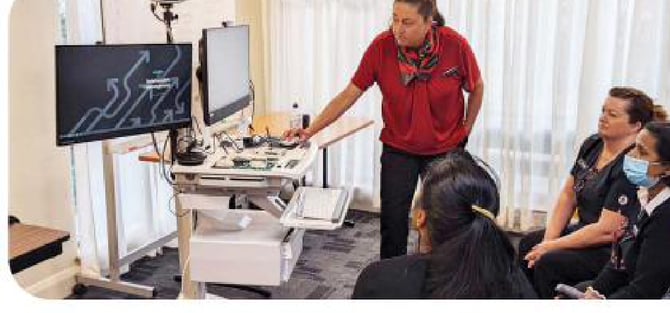
With integrated diagnostic devices, an examination camera, digital stethoscope, ECG and vitals, your team can support genuine clinical assessment remotely, not just a conversation. That means earlier detection of deterioration, better wound monitoring, and more confident decisions.
What good looks like
The strongest deployments share a pattern: an executive sponsor who backs it, named champions who drive it, a clear first use case (often wound care or virtual GP rounds), and virtual care built into daily routines. One regional provider moved from reactive phone advice to structured, clinically informed review, and made virtual care a normal part of how the home runs.
It also helps you meet your obligations
Virtual care isn't just operationally useful. It directly supports your obligations under the new Aged Care Act and the Strengthened Quality Standards, and aligns with the Royal Commission's recommendations on digital capability and access to health care. The next article covers that in detail.
Need help?
- Visionflex support: visionflex.com/support | support@visionflex.com | +61 2 8914 4000 (9am to 5pm AEST)
- See also: Virtual care and the Strengthened Quality Standards, and Funding and MBS: what's available.
Visionflex acknowledges the Traditional Custodians of Country throughout Australia and pays respect to Elders past, present and emerging.